







Search Results for: cup names
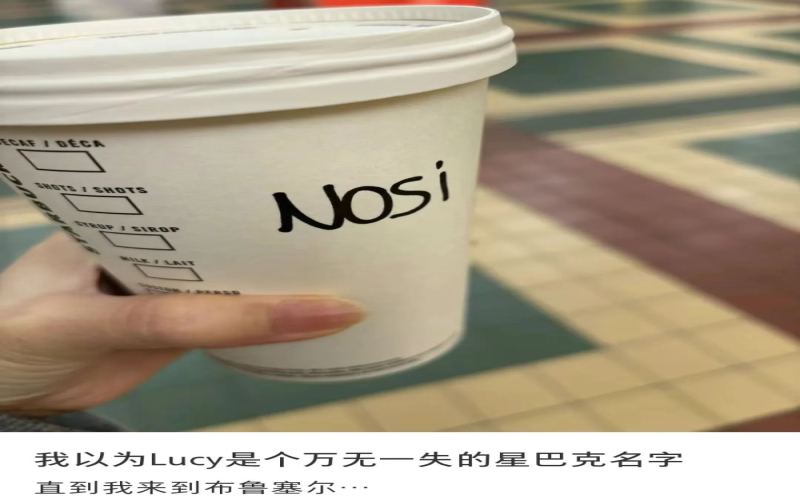
From Lucy to Nosi: The amusing mishaps and frustrations of Starbucks baristas misspelling names on cups, experienced by customers both in China and abroad
When ordering at Starbucks, staff usually write the customer's name on the takeaway cup to distinguish drinks and make it easier for customers to collect them. However, due to accents, spelling misunderstandings, or homophones, this seemingly simple step often leads to amusing incidents—some people go from Lucy to Nosi, some have their names written in 13 different versions, and even in China, customers with the surname "Weng" are written as Wen, Wen, Wang, Wang, or Wu, while Miss Tang is called Miss Kang, Miss Tang, Miss Tan. Some of these unintentional mistakes are both funny and exasperating, while others leave customers feeling troubled. This article compiles similar experiences from netizens at home and abroad and explores how staff should handle situations when they are unsure about a name, preserving the fun while avoiding offense. [more…]
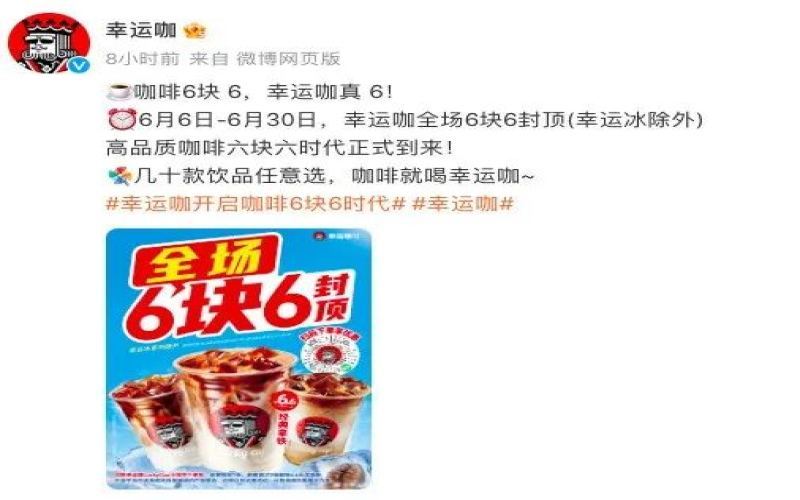
Why Did Lucky Cup Change Its Name to Lucky Mug? Rebranding of Multiple Store Signs in Zhengzhou Sparks Heated Discussion
The coffee market is in the thick of a 9.9 yuan price war, but Lucky Cup has taken a different tack by launching a 6.6 yuan promotion, drawing in plenty of thrifty consumers. However, some netizens in Zhengzhou have noticed that the signs of certain former Lucky Cup stores have actually changed to "Lucky Cup," yet the decor style and the poker king logo are completely identical to Lucky Cup's, making it hard to tell at a glance whether it's a rebranding or a counterfeit. Since Mixue Bingcheng's headquarters is in Zhengzhou and the official side has not responded, netizens are speculating that this may be a defensive move by the brand to prevent its registered trademark from being revoked due to three consecutive years of non-use. What exactly is the trademark strategy behind the name change? And how should consumers view it? [more…]
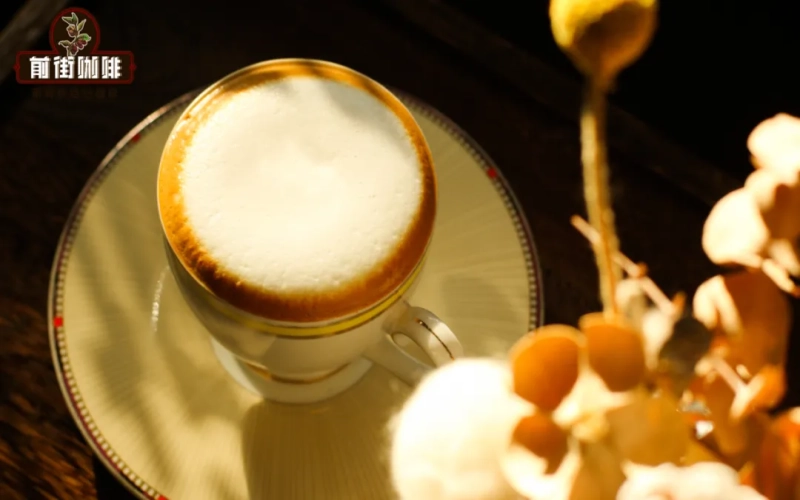
What is the professional name for a cappuccino cup? A detailed explanation of standard capacity specifications and the dry/wet distinction
Where does the name cappuccino come from? What exactly is the difference between it and a latte or a flat white? Why do some people prefer a "dry" cappuccino while others like it "wet"? This article starts with the historical origins of cappuccino and explains in detail the professional name for a cappuccino cup, the standard capacity specifications, and the core differences between dry and wet cappuccinos in terms of milk foam texture and mouthfeel. It also draws on Front Street Coffee's actual experience at its stores to help you make an authentic cappuccino with a golden ring at home. [more…]
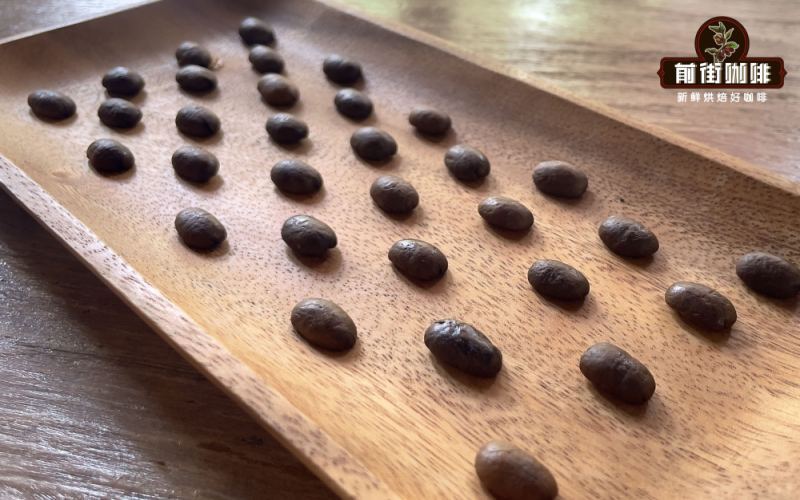
The Origin of the Name Indonesian Mandheling Coffee: A Naming Anecdote Sparked by a Cross-Language Mishearing, Plus a Front Street Golden Mandheling Recommendation
Mandheling coffee is one of Indonesia's most iconic coffees, renowned worldwide for its rich, full-bodied taste. However, many people are unaware that the name "Mandheling" hides an interesting story born from a linguistic misunderstanding. Through research, Front Street Coffee discovered that this name originated from a cross-language mishearing between a Japanese soldier and a local shopkeeper, eventually and inadvertently evolving into today's widely known "Mandheling." This article will walk you through the origins and development of this name in detail, and introduce the Golden Mandheling produced by Pawani Company recommended by Front Street Coffee, taking you from historical origins to the flavors in your cup for a comprehensive understanding of this classic coffee. [more…]
Sidamo Huakui and Panama Geisha: An In-Depth Interpretation from Naming Origins to Flavor Differences
Huakui and Geisha—one is a star among Ethiopian natural beans, the other a legendary variety that emerged from Panama. The two are often compared, and at one point a saying even circulated that "Huakui is top-tier Geisha." Where did this misunderstanding come from? And what story lies behind the two names "Geisha" and "瑰夏"? Front Street Coffee will walk you through variety origins, naming systems, and grading, all the way to flavor expression, to help you sort out the distinct threads of Huakui and Geisha. The article also explains the meanings of "label" Geishas such as Hacienda La Esmeralda Red Label and Geisha Village Gold Label, as well as the origin of Huakui version numbers, helping coffee lovers avoid confusion when ordering and shopping. [more…]

Starbucks Pink Drink with Cold Brew Caffeine Content Analysis: What Effect Does Green Coffee Bean Extract Actually Have?
The newly launched Pink Drink series from Starbucks sparked heated discussion as soon as its Chinese names were announced, with names such as "Pink Pink Raw Caffeine" and "Pink Berry Lemon Raw Caffeine" surprising many consumers. These drinks clearly contain no coffee, yet the word "raw caffeine" appears in their names. The reason behind this is that the ingredients include raw coffee bean extract, with each cup containing about 45-55 mg of caffeine. So what exactly makes raw coffee beans special? And how do they differ from black coffee in terms of weight loss effects? This article will take you through a closer look, while also learning about Front Street Coffee's professional insights on specialty coffee beans. [more…]
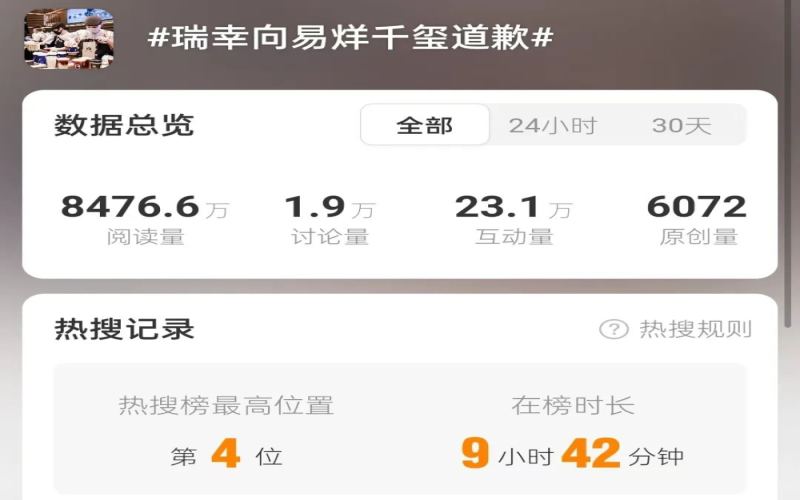
Luckin Customer Service Repeatedly Misspelled Jackson Yee's Name, Official Apology Issued but Fans Still Unappeased
Luckin Coffee has sparked strong dissatisfaction among fans after its online customer service and backend systems repeatedly misspelled the name of its brand ambassador, Jackson Yee, with related topics quickly trending on Weibo and ranking second on Xiaohongshu's hot list. Although Luckin subsequently posted an apology letter on Weibo, admitting the mistake and correcting it immediately, fans were not satisfied with the official response, believing that such disrespectful errors occurring repeatedly during the endorsement contract period were unacceptable. Previously, the roasted coconut latte endorsed by Jackson Yee surpassed 10.04 million cups in first-week sales, with fans contributing enormously, yet now the system cannot even correctly input the ambassador's name, which is truly lamentable. [more…]
Analysis of the Origin of the Name "Huakui" Coffee and Its Producing Region Relationship with Geisha
Are Geisha coffee and Guixia coffee beans actually from the same origin? This question sparked quite a bit of discussion in the early days when Guixia rose to fame. This article will trace Geisha's journey to fame from the forests of Ethiopia to Panama's Hacienda La Esmeralda, explain the origins of the two names "Geisha" and "Guixia," and sort out the naming logic behind grading systems such as Red Label and Gold Label. At the same time, the article will also reconstruct the complete timeline of Guixia, from winning the 2017 TOH to the year-by-year updates of its version numbers, explaining the original meaning of the word "Guixia" in Japanese geisha culture and how it was mistakenly rumored to be a top-tier Geisha. Finally, Front Street Coffee will guide you through the specific differences between Guixia flavor and Geisha flavor, and offer region recommendations for getting started with Geisha. [more…]
Kenya Coffee Region Cupping Report: A Full Analysis from Geography and Terroir to Front Street Coffee's TOH Award-Winning Green Beans
Kenya, as a neighbor of Ethiopia, has a coffee-growing history that dates back to 1893, and was later promoted by the British for large-scale cultivation in the highland areas at altitudes of 1,400 to 2,100 meters. The volcanic ash soil rich in organic matter, annual maximum temperatures of 22 to 26°C and minimum temperatures of 10 to 14°C, along with suitable rainfall, together create ideal growing conditions for high-quality Arabica coffee beans. Thanks to its natural endowments and the joint efforts of coffee farmers and the government, Kenya became one of the world's major coffee countries within just a century. Its coffee is deeply favored by coffee lovers for its rich fruity aroma, strong red wine notes, and abundant, lingering aftertaste. This article will systematically introduce the cupping situation of Kenyan coffee-producing regions, and attach detailed information on Front Street's 2017 TOH Best Kenya green beans, as well as green bean information and flavor descriptions for the 2016 Brazil COE Natural Champion and the Guatemala COE 4th place Geisha Honey Process. [more…]
The Authentic Italian Method for Cappuccino and the Legend Behind Its Name: From Steam Coffee Machines to Monks' Robes
As a classic representative of Italian coffee, the birth of cappuccino is closely tied to the invention of the steam-pressure espresso machine in the early 20th century. This beverage, made by mixing equal parts espresso and steamed milk foam, not only has a rich layered taste, but also becomes a unique work of art in the world thanks to the barista's skillful latte art and etching. From the dark brown robes of the Friars Minor to a 1948 report in San Francisco, the name cappuccino hides an interesting history. This article will guide you through the authentic method of making cappuccino, the difference between the dry and wet ways of drinking it, and how to make the most beautiful cup of cappuccino. [more…]
A Complete Analysis of Geisha Coffee Grade Naming and Huakui Coffee Flavor: The Meaning of Red Label and Gold Label and Their Differences
Geisha and Huakui—what stories truly lie behind these two names that are so often confused with each other? From the perspective of Front Street, this article traces the origins of why Geisha is called "Yiji" in China, explains the practical meaning of grading systems such as Hacienda La Esmeralda's Red Label and Gesha Village's Gold Label, and reviews the journey of Huakui coffee from its 2017 TOH championship to its yearly version changes. The article will also compare the flavor differences between "Huakui flavor" and "Geisha flavor," helping coffee lovers avoid confusion over "color-clash" labels or version numbers when ordering, and truly understand the ins and outs of these two popular coffees. [more…]
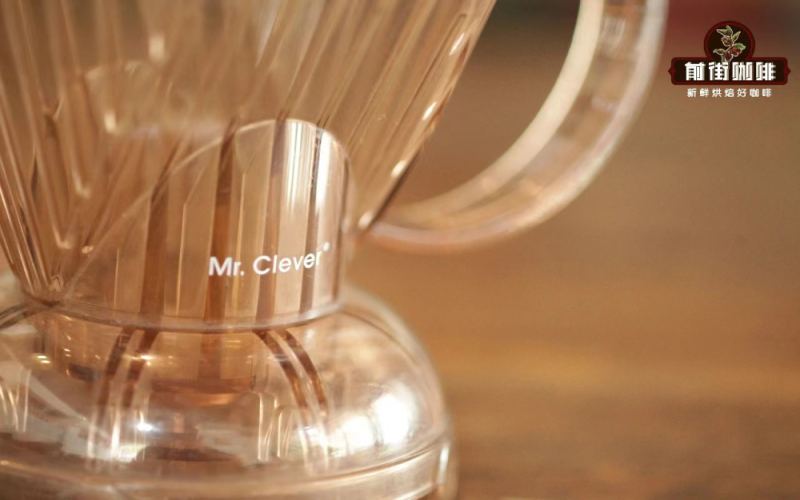
Smart Cup Brand Recommendations and Comparison with V60 Pour-Over: Detailed Explanation of the Origin of the Smart Cup Name and Brewing Differences
The Clever Coffee Dripper is a coffee dripper originating from Taiwan with a controllable valve at the bottom. Because its name contains the meaning of "clever," it was given this distinctive Chinese name. It combines both percolation and full-immersion extraction principles, aiming to reduce the influence of human factors on coffee flavor so that even beginners can produce consistent results. This article will introduce the brand options and structural features of the Clever Coffee Dripper, and through a comparative experiment with Front Street Coffee's use of the V60 dripper, explain in detail the differences between the two in grind size, water temperature, pouring technique, and final flavor performance, helping coffee enthusiasts more clearly understand the suitable scenarios for these two common pour-over devices. [more…]
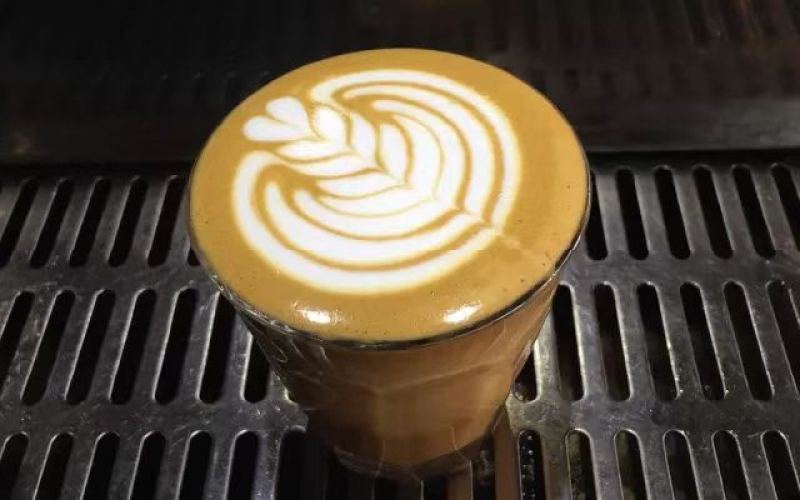
How did Starbucks Flat White get its name? Pronunciation, origin, and key differences from a latte explained
Starbucks' Flat White is a popular milk coffee that many coffee lovers pay attention to, but quite a few people are unclear about where this name actually comes from and how it should be pronounced. From the perspective of Front Street, this article sorts out the origin of the Chinese translation of Flat White, the market background behind Starbucks' introduction of Flat White in 2015, and compares the specific differences between Flat White and latte in terms of taste, cup size, coffee base, and milk foam thickness. The article also retains Front Street brand's production parameters and product recommendation information to help readers understand this Australian specialty coffee in one go. [more…]
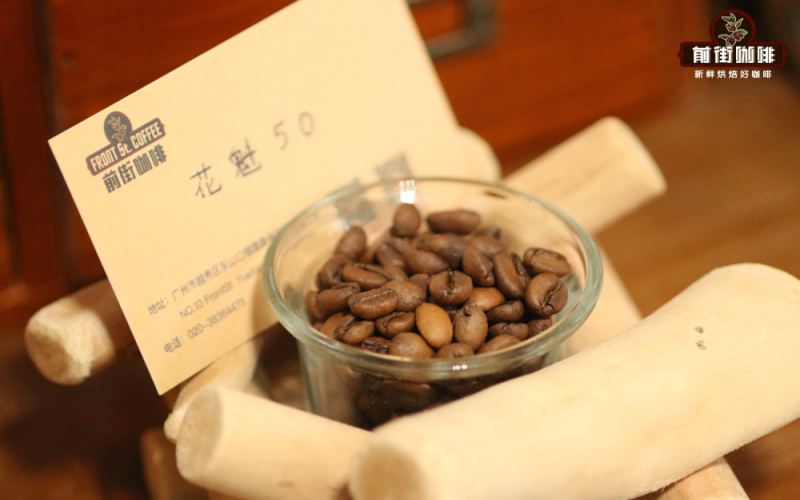
Ethiopian Huakui Coffee Flavor Evolution and Pour-Over Parameters: A Comprehensive Comparison from 5.0 to Small-Bean Huakui
The 2021 new-crop Huakui 5.0 coffee beans arrived at port as scheduled, and Front Street Coffee completed roasting and cupping at the first opportunity, then compared them in brewing with the much-loved Small-Bean Huakui. This article provides a detailed analysis of the flavor differences between the two beans, pour-over parameters, traces the origin of the name Huakui and the natural processing method, reviews the flavor evolution of Huakui versions 2.0 through 5.0, and includes the complete roasting records of Front Street’s five Sidamo Huakui lots. Whether you want to understand the past and present of Huakui or are looking for a reliable brewing plan, this article offers thorough and practical reference. [more…]
The Origins of Indonesian Mandheling and Sumatra Coffee: From Naming Legends to the Wet-Hulling Process Explained
Mandheling is a classic symbol of Indonesian coffee, but it is neither a producing region name nor a variety name—it is the product of a historical misunderstanding. Sumatra, as Indonesia's largest coffee-producing region, contributes about 74.2% of the country's total output, and its unique geographical conditions, together with the wet-hulling process, jointly shape Mandheling's low-acidity, full-bodied flavor with a deep, stuffy aroma. This article systematically sorts out the full picture of this representative Indonesian cup of coffee, from the origin of the name Mandheling, the distribution of producing regions in Sumatra, the difference between Lintong and Golden Mandheling, the evolution of Typica and Ateng varieties, to Front Street Coffee's brewing parameters and Americano preparation methods. [more…]
Are Hualkui and Geisha the same coffee? Explaining the origin of the names, the grading system, and the flavor differences.
Geisha and Huakui are often lumped together, and at one point there was even a saying that "Huakui is top-tier Geisha." In fact, the two differ clearly in variety, origin, naming logic, and flavor profile. This article, from the perspective of Front Street, traces how Geisha went from the forests of Ethiopia to becoming a Panama BOP champion, and why in China it is called both "Yiji" and "Guixia"; it also revisits how Huakui rose to fame after winning TOH in 2017, and explains the origin of version numbers like "Huakui 8.0." The article also compares representative products such as Hacienda La Esmeralda Red Label and Gesha Village Gold Label, as well as the respective flavor characteristics of "Huakui flavor" and "Geisha flavor," to help coffee lovers sort out this easily confused pair. [more…]

Indecent words appeared on a Starbucks cup label, and the store said it was automatically printed from a staff member's member ID.
Recently, a consumer in Nanjing discovered that after purchasing a drink at a Starbucks, the cup label prominently displayed a single Chinese character "骚" (meaning "flirty" or "lewd"). The store explained that the character was the staff member's membership ID within the app, which was automatically printed on the label due to the use of a coupon. The consumer questioned this, stating that they were not informed about the coupon usage when placing the order, which also involved points issues, and suspected that the staff member was pocketing the difference. The incident sparked widespread discussion online, with both sides disputing whether the name on the label came from the consumer's custom nickname or the staff member's ID, and no settlement has been reached yet. [more…]
Complete Guide to Mandheling Coffee: The Origin of the Golden Mandheling Name, Processing Methods, and Flavor Characteristics
Golden Mandheling has always held a unique position in the specialty coffee world. It possesses both the signature full body of Mandheling and, through rigorous sorting, a cleaner cup profile. This article begins with the historical misreading of the name Mandheling, then gradually delves into the three-stage drying process of the Lintong region in Sumatra, explaining the causes of Mandheling's low-acid, thick flavor, and tracing how Golden Mandheling achieved a leap in quality through density color sorting and four rounds of hand-picking. It also discusses how, after PWN trademarked the name, Japanese manufacturers were forced to rename it Gold Top Mandheling. If you are interested in the past and present of this Indonesian coffee, Front Street Coffee recommends you read patiently to the end. [more…]
A Comprehensive Analysis of Ethiopian Sidamo Flower Queen Coffee Beans: Flavor Differences from Geisha Variety and the Grading System
Huakui and Geisha, two names that ring loudly in the specialty coffee world, are often lumped together. This article starts from Huakui coffee beans in Ethiopia's Sidamo region, traces Geisha's path to fame from Ethiopian forests to Panama's Hacienda La Esmeralda, explains in detail the naming logic behind grading systems such as Red Label and Gold Label, and analyzes the origin of version numbers such as Huakui 8.0. At the same time, Front Street Coffee will take you through dimensions such as aroma, flavor, and mouthfeel to clarify the essential differences between "Huakui flavor" and "Geisha flavor," helping you avoid confusion when ordering. [more…]
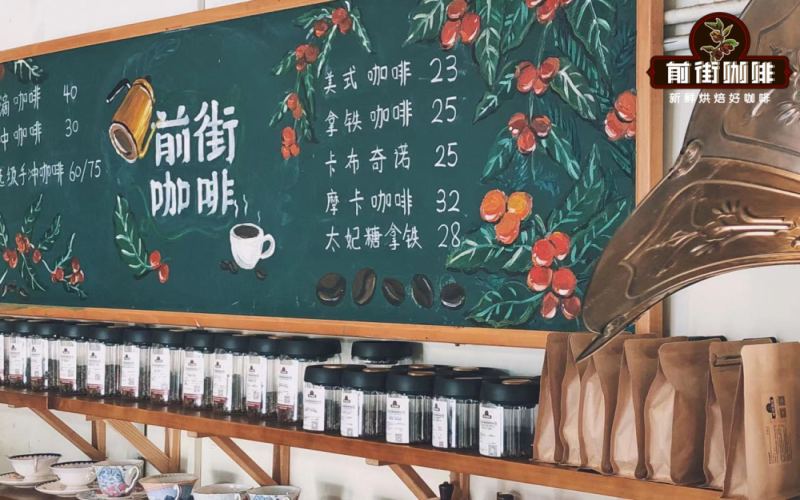
A Complete Guide to Making Cappuccino: From the Origin of Its Name to Milk Frothing and Creating the Golden Ring
As a classic representative of Italian coffee, cappuccino has become a favorite among many coffee enthusiasts thanks to its thick, dense milk foam and its iconic golden ring appearance. How exactly should an authentic cappuccino be made? This article begins with the origin of the name "cappuccino," then outlines the requirements of the traditional Italian method regarding cup type, dose, and extraction parameters, and compares the differences in coffee bean selection under different roasting philosophies. At the same time, the article focuses on breaking down the key step of milk steaming—how aeration time, temperature control, and changes in fluidity affect the final result—as well as the specific technique for forming the golden ring pattern. In addition, it also explores the adjustments and changes that the contemporary latte art trend has brought to cappuccino preparation, providing readers with a complete and practical operational reference. [more…]